Life at RHI
A practical view of the RHI team environment, support-floor culture, expectations and recruitment safety.

Page guide
On this page
What working here is actually like
Life at RHI is shaped by customer support work: people on headsets, supervisors walking the floor, shift handovers, quality feedback, new-hire training and teams solving queue problems together. It is not a quiet back-office environment where every day is identical. The work can be busy, especially when a client launches, a campaign changes or a queue spikes. The culture we try to build around that is practical: clear expectations, visible support, and enough structure that people are not left to figure everything out alone.
Most roles sit close to live customer operations. That means the work has pace, but it also gives new team members a quick route to understand how service actually works. You see the customer questions, the systems, the escalation points, the coaching notes and the reporting. For someone who wants to build a career in customer service, operations, quality or team leadership, that exposure matters.
The team environment
Our teams are a mix of experienced agents, new joiners, quality reviewers, trainers, team leaders and support functions. The day is organised around queues and service windows, so reliability matters. If a shift is short, the people beside you feel it. If notes are unclear, the next person has to repair the conversation. If a process changes and nobody explains it properly, customers hear the confusion.
That is why the culture is less about slogans and more about habits: arriving prepared, asking for help early, documenting clearly, treating coaching as part of the job, and respecting the person who inherits your work. Good support teams are built from those ordinary behaviours repeated every day.
Support while you learn
New team members are not expected to become confident by guesswork. Training covers the account, systems, scripts or knowledge base, data handling, tone, escalation rules and the scorecard used by quality reviewers. Early work is monitored more closely, not to catch people out, but because mistakes are easiest to correct before they become habits.
Supervisors and experienced agents are part of the learning loop. A new person may start with simpler contacts, shadow a colleague, listen to sample calls, practise written responses or review previous tickets before taking a live queue. The exact route depends on the role and the client process, but the principle is the same: people should know what good looks like before they are measured against it.
Feedback and growth
Feedback is frequent because customer support gives constant evidence. A call recording, chat transcript, ticket note or escalation summary shows what happened. The useful question is not "who made a mistake?" but "what would help this person handle the next one better?" Sometimes the answer is coaching. Sometimes it is a clearer policy, a better knowledge-base article, or a change in how work is routed.
People grow in different directions. Some become stronger agents and subject-matter specialists. Some move toward quality review, training, workforce coordination or team leadership. Some prefer a stable role and predictable performance expectations. We do not pretend every role becomes a promotion path on a timetable; progression depends on role availability, performance, attendance, communication and the needs of the business.
Standards we take seriously
Customer data is part of the job, so privacy and confidentiality are not optional. Team members are expected to follow verification rules, use only approved systems, keep credentials private, and avoid moving customer information into personal channels. Those standards protect clients, customers and the team member doing the work.
Attendance, conduct and respectful communication matter for the same reason. Support operations rely on trust. People do not have to be identical in personality or background, but they do have to work in a way that lets colleagues and customers rely on them.
Who tends to do well
People do well here when they can listen carefully, write or speak clearly, stay calm with repetitive questions, accept coaching without taking it personally, and ask when something is unclear. Confidence helps, but accuracy and reliability matter more. A person who quietly follows the process, learns the account and treats customers with patience is valuable long before they become the loudest voice in the room.
The work is suited to people who want structure but not stagnation. There are targets and scorecards, but there are also new accounts, new tools, changing customer questions and different service windows. If you like understanding how operations fit together, RHI gives you plenty to learn.
It also suits people who can separate urgency from panic. Customer work can move quickly, but the best response is usually a steady one: confirm the facts, follow the approved route, record the outcome and ask for support when the answer is outside your authority.
Recruitment and fraud notice
We only publish roles when there is a genuine opening. We do not ask candidates for payment at any stage of recruitment, and no one acting for RHI is authorised to charge for an interview, training slot, offer letter or onboarding step. If anyone claims otherwise, do not pay them. Use the careers contact route on our contact page to check.
When open roles are available they are published through the official jobs route. Until then, this page is here to show the working environment and the kind of standards candidates can expect.
Related careers pages
For how new starters are trained and how progression is handled, read Training and Career Growth. For the main careers overview, return to Careers at RHI.
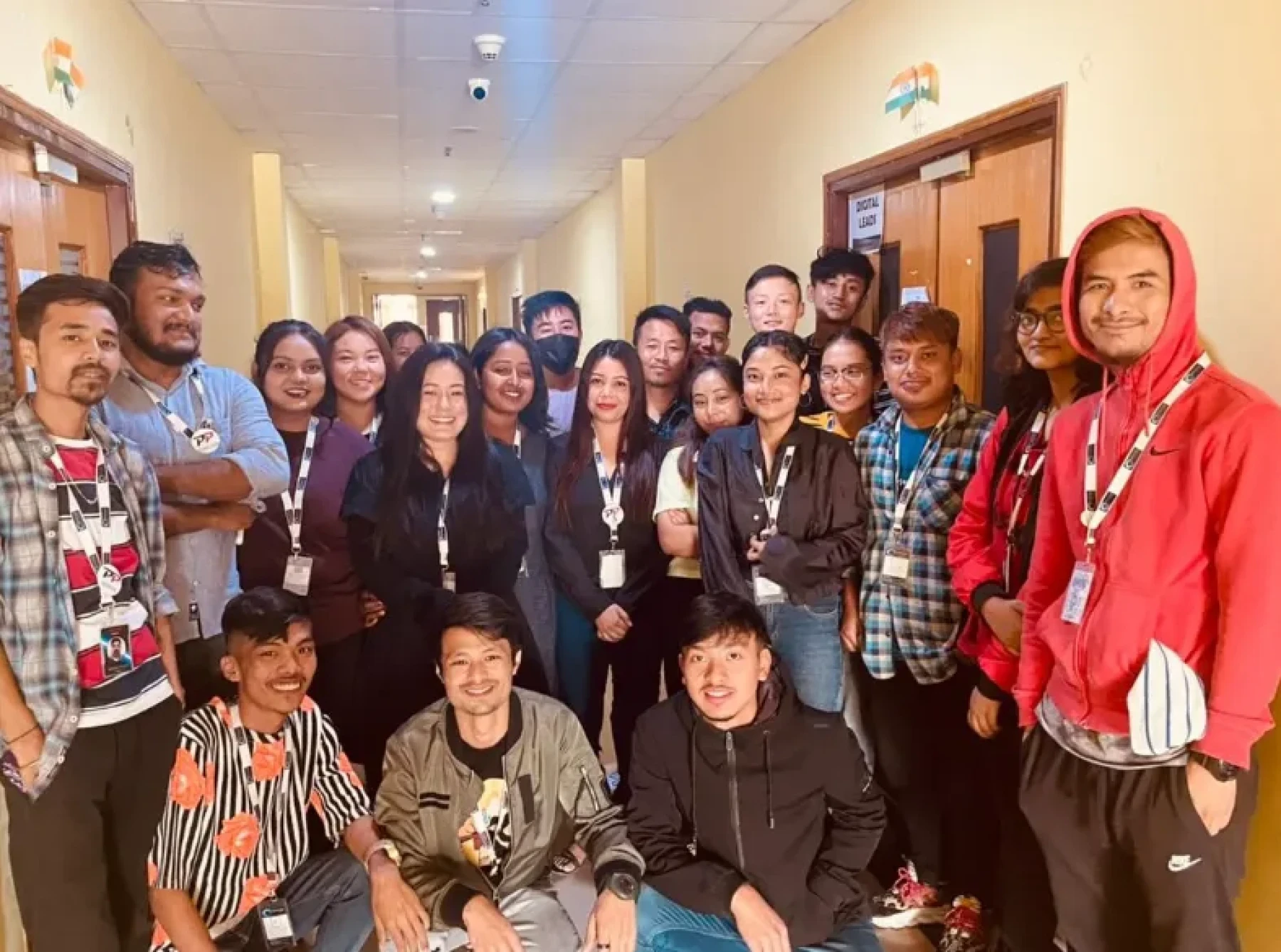
Team and office photos
Real RHI team and operations-floor photos supplied for the website media library.